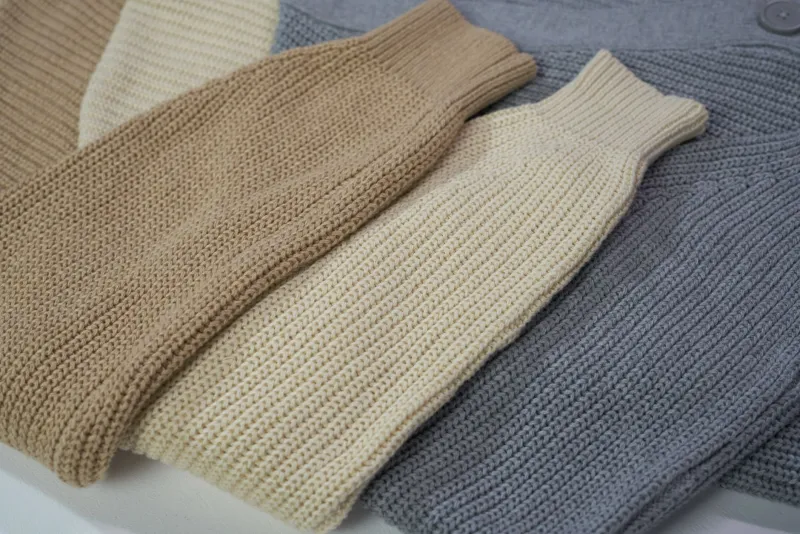
The Layer Audit: Seven Days Between a Chilly Flat and a Stuffy Desk
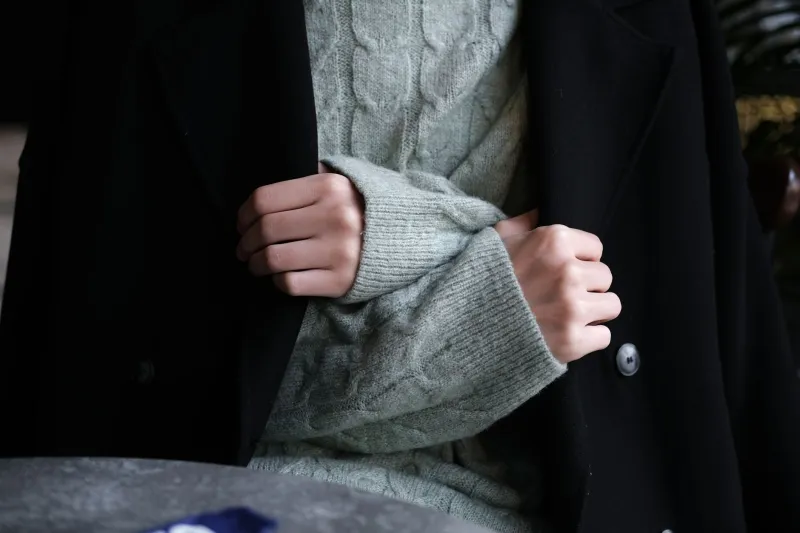
My flat has single glazing, a boiler with opinions and a bedroom that sits at a steady sixteen degrees until roughly June. My office, meanwhile, has a radiator that appears to be training for a sauna championship. Every winter I dress for one and arrive overdressed for the other, then spend the day peeling off layers like a reluctant onion. So for one week I decided to test a proper two-temperature wardrobe: one bag, no desk-to-loo outfit changes, and a honest assessment at six o’clock each evening.
The test conditions
The rules were simple. I could not take a second bag to work. I could not keep a spare wardrobe under my desk. I had to commute by walking and Tube, sit in a chilly flat until nine, then spend the day in an office where the radiator clicks on at about ten and refuses to click off. I scored each outfit on three things: whether I shivered before leaving, whether I sweated on public transport, and whether I looked like I was carrying a weekend bag by the time I got home.
What earned its keep
Fine merino base layers were the quiet heroes. Not the thick thermals I associate with school ski trips, but thin, close-fitting tops that add warmth without adding bulk. They made the cold flat bearable and disappeared under a shirt at the office. A lightweight wool blazer also worked hard: warm enough for the morning, easy to remove at my desk, and smart enough to distract from the fact that I was essentially wearing a base layer and a dream.
A cotton-poplin shirt was another repeat wear. It sounds obvious, but a crisp shirt over a thin vest is a better temperature regulator than a chunky knit. The knit made me sweat by lunchtime; the shirt let me roll my sleeves up and still look presentable when the radiator went into overdrive. On the footwear front, unlined leather ankle boots with a thin sock were the sweet spot. Heavy tread soles felt clumsy indoors, and ballet flats were a mistake on the damp walk to the station.
What I would not wear again
The chunky jumper lasted one day. It was cosy at home and a mistake on the Central line. The thermal vest was overkill by about eleven o’clock, and the padded coat was too much for a commute that involves more standing than walking. I also retired a heavy wool scarf after it made me feel like I was wearing a neck brace under my coat. A lighter, narrower scarf gave me the same warmth without the bulk.
The three-thin-layers formula
The biggest lesson was that three thin layers beat one thick one every time. A base layer, a shirt and a blazer gave me more control than a jumper and a coat. Natural fibres helped: merino, cotton and a little wool breathed better than the synthetic fleece I usually reach for. The aim was not to be warm all the time, but to be able to adjust quickly without stripping down to something I would not want a colleague to see.
I also learned to treat my scarf as a thermostat rather than an accessory. On the Tube, it came off before I started to overheat. In the flat, it went back on. That tiny habit made more difference than any new purchase. The same went for my coat: I started carrying a light foldable tote so I could shed the coat and still carry my lunch, keys and laptop without looking like I was moving house.
The desk-drawer kit
By Wednesday I had added a small pouch to my bag: a spare pair of thin socks, a deodorant wipe, and a comb. None of it was glamorous, but all of it helped. The socks were for the walk home when the temperature dropped; the wipe was for the radiator-inspired glow that appeared around three o’clock. I also kept a lightweight cardigan on the back of my chair, which was thin enough to fold into nothing but warm enough for the air-conditioned corner near the printer.
What I would change next time
I would not buy anything new. The week proved that my wardrobe already had the right pieces, just not in the right order. I would add one thin silk camisole for the coldest mornings, and I would finally get my ankle boots resoled before the pavement turns properly icy. I would also stop treating my office radiator as a personal insult and start dressing for it with the same pragmatism I use for the weather forecast.
The two-temperature wardrobe is not about owning more. It is about choosing layers that can be removed without ruining the outfit, and accepting that a British winter often means being slightly too warm in one place and slightly too cold in another. By Friday I had stopped carrying a bulging bag and started carrying a plan. That felt like a win, even if my flat still refuses to warm up before nine.