The Chalk-Denim Experiment: Three Weeks of Winter Whites, Honestly
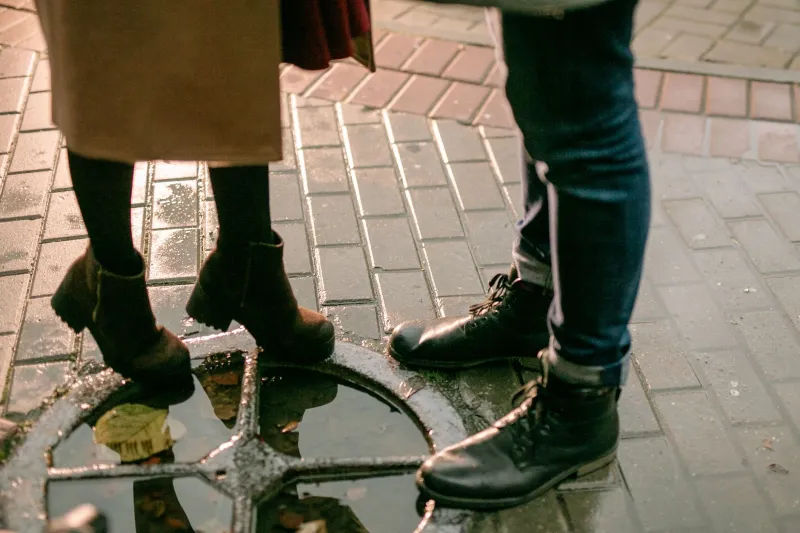
I have never been a white-jeans person. Not because I dislike them — on other people they look clean, optimistic and slightly continental — but because I am British, clumsy, and prone to sitting on damp benches. White denim and a wet November feel like a dare. Still, the trend kept appearing: off-white straight-leg jeans with navy knits, ecru denim with black boots, chalky wide-legs with a camel coat. Eventually I caved. This is what happened when I stopped admiring winter whites from afar and actually wore them for three weeks.
The Pair, the Rules and the Slight Panic
I bought a high-street pair for £45: straight-leg, ankle-length, a thick-ish cotton with just enough structure to feel like denim rather than cream trousers. Not bright white — more a soft chalk shade that I hoped would be forgiving. The rules were simple. I would wear them at least four days a week, in real life: the commute, the supermarket, the pub, the school run if you have one, the general slop of a British autumn. No saving them for a sunny day. No carrying a spare pair in my bag like a nervous understudy. One pair, three weeks, honest notes.
The first morning I put them on, I felt ridiculous. Not fashionable-ridiculous — actual ridiculous, as though I had wandered out in my pyjama bottoms. White denim reflects light in a way that makes you look twice at your own legs. By the time I reached the bus stop, I had relaxed slightly. By the time a van drove through a puddle near the kerb, I had remembered exactly why I avoid pale trousers in winter.
Week One: The First Splash and the Water-Mark Lesson
The splash landed across the left ankle. Not a dramatic soaking, just a grey-brown fan of dirty water. I did what any panicked person does: I rubbed it with a tissue. That was a mistake. Rubbing wet dirt into white cotton is basically a small-scale craft project in staining. The mark dried into a faint tide line that I could see all day, even if nobody else could.
What worked better, later in the week, was blotting rather than rubbing. Press a clean tissue or a bit of kitchen roll onto the damp patch, let it lift what it can, then leave it alone until you get home. A stain pen helped with a coffee drip, but only if I caught it immediately. The lesson was not that white jeans are impossible; it was that they require a different kind of attention. You cannot treat them like dark jeans, where a splash disappears into the fabric. You have to notice things.
Footwear Is the Whole Game
This was the biggest surprise. White jeans do not fail because of the denim; they fail because of what happens at the hem. A wide leg that skims the pavement will wick up November like a candle wick. A cropped straight leg with a boot underneath stays much cleaner. I ended up living in black leather Chelsea boots with a low block heel — high enough to keep the hem off wet ground, plain enough not to fight the jeans. White trainers with white jeans gave me a slight ambulance-crew feeling, and they also looked tragic after one damp walk. Dark loafers worked on dry days. Anything suede was out.
Length matters more than I expected. My pair hit just above the ankle bone, which meant I could turn them up once on mizzly days. If you are buying winter whites, take them to a tailor if needed. A half-inch of extra length is the difference between 'relaxed' and 'soaked'.
The Layering Formula That Saved It
I thought white jeans would need pale, tonal layering to look expensive. In reality, the opposite worked better for me. A navy crewneck jumper, a grey wool coat and a dark scarf made the jeans look deliberate rather than summery. Black leather jacket plus white denim felt sharp. Camel coat plus white denim felt a bit too 'holiday in the Cotswolds' for a wet Tuesday, though it looked nice on the one dry afternoon we had.
The formula was simple: keep the top half darker or richer than the bottom half. Burgundy knit, forest green scarf, charcoal blazer, black boots. The jeans become the light in the outfit instead of the whole outfit being a pastel gamble. I also stopped wearing pale beige near my face on grey days. It made me look like a cup of milky tea that had gone cold.
The Laundry Ledger
By the end of three weeks, I had washed them four times. That is not a scandal, but it is a commitment. White denim shows everything: the faint grey ring from a bus seat, the mark from a shopping trolley, the mystery smudge that appears after a pub lunch. I used a colour-safe stain remover on the hems, washed at 30 degrees, and dried them indoors on a rack. I did not tumble dry them, partly because I am cautious and partly because I did not want to test the phrase 'thermal shock' on a £45 pair of trousers.
The time cost is real. Dark jeans can go three wears without a thought. These needed a look-over after every outing and a proper wash more often than I would like. They became the high-maintenance friend of my wardrobe: lovely, but you cannot just turn up at their door unannounced.
What November Actually Threw at Me
Drizzle, wet leaves, a bus floor that had clearly seen better decades, one pub garden bench, a curry, and a splash of ale from a friend who gestures when he talks. The ale came out with a cold-water rinse. The bus floor left a faint grey shadow near the right hem that never fully disappeared. By week three, the jeans were no longer chalk-white; they were 'winter white', which is a polite way of saying 'off-white with character'. I made peace with that.
The Verdict
Would I buy them again? Yes, but with conditions. I would not pay a fortune, because the anxiety of expensive white trousers in a wet country is not worth it. I would choose a straight or slim-straight leg, not a flapping wide leg. I would accept that they are a once-or-twice-a-week pair, not an everyday workhorse. And I would keep them for dry cold days, city lunches, pub trips where I am not sitting on the floor, and the kind of November afternoon when the sky is bright grey rather than actively weeping.
White jeans in a British November are not impractical. They are just a small, manageable risk. The look is worth it if you can be bothered with the laundry and the blotting and the checking of benches before you sit down. If that sounds exhausting, wait until March. If it sounds like a bit of fun, go for the chalk shade, wear dark boots, and carry a stain pen. Mine survived three wet weeks. They did not stay pristine, but neither did I.