Seven No-Iron Winter Pieces vs. My Actual Mornings: A Week of Creases, Honestly Graded
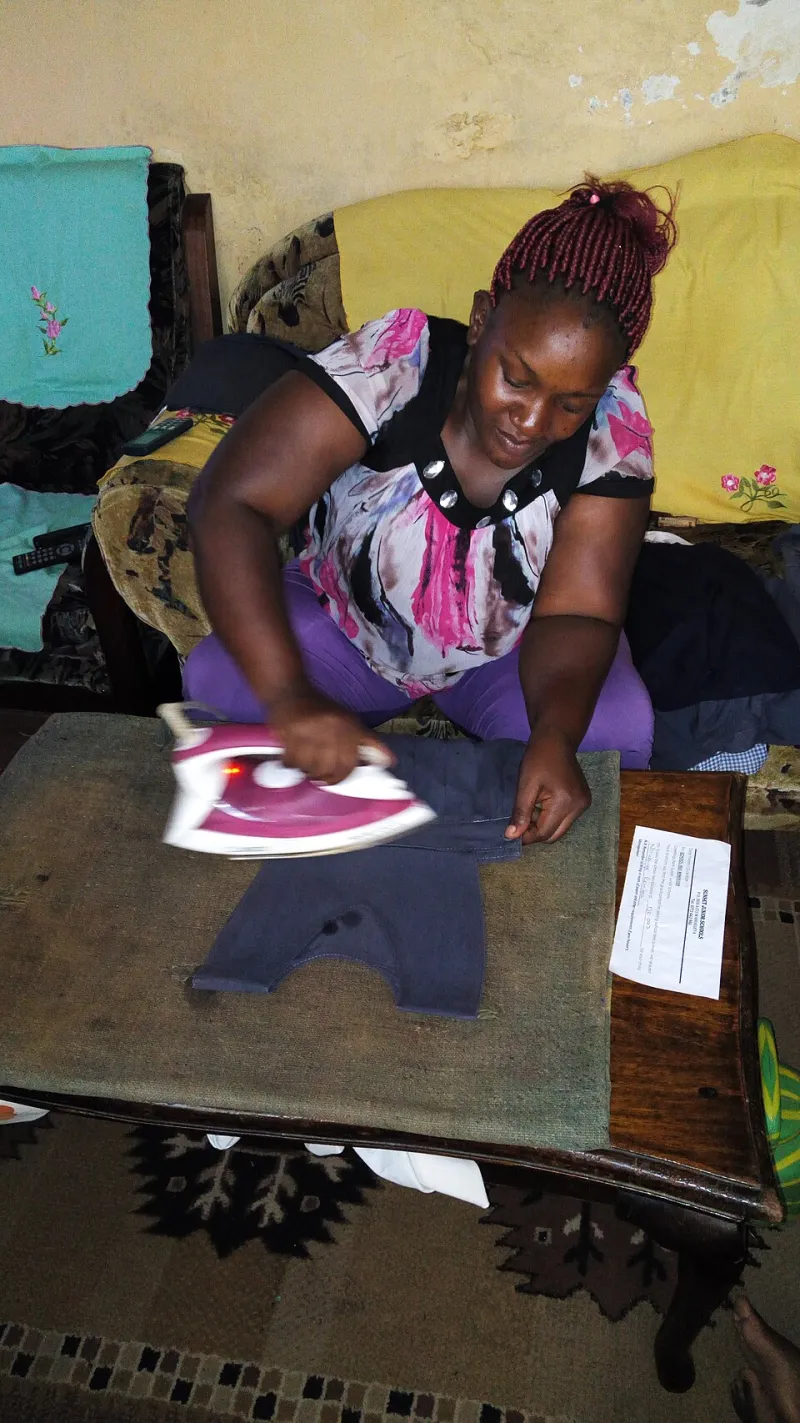
Photo: Mstephen247, CC BY-SA 4.0, via Wikimedia Commons
The label says no-iron. My morning says otherwise. I tested seven winter pieces sold as easy-care against five real mornings: alarm, wash, fold, commute, desk chair, bus home. No iron. No steamer. No optimistic bathroom towel trick.
The test
I washed everything to the label, dried it as instructed, folded it and wore it on rotation. I checked creases after 20 minutes of sitting, after three hours at a desk and after the walk home. I graded crease resistance out of five, comfort out of five, and whether I would genuinely skip the iron again. I am not anti-iron. I am anti-faff.
What no-iron actually means
It rarely means magic. It usually means a resin finish, a synthetic blend, a tighter weave, or a fabric that is good at hiding creases because it is busy, drapey or both. Some finishes fade after a few washes. Some pieces are genuinely easy. A white shirt is still the hardest thing in the world to make no-iron.
The pieces, graded
The white cotton-rich shirt, £36. Crease resistance 2. Comfort 4. By 10:30 the placket looked like a road map. The label said no-iron; the mirror said good luck. Would I skip the iron again? No. It needs a quick press or a very forgiving cardigan.
The navy pull-on trousers, £42. Crease resistance 4. Comfort 5. These were the surprise. They looked smart enough for work and felt like pyjamas. The knee went slightly soft by home time, but nothing that a hang overnight did not fix. Yes, I would skip the iron.
The jersey midi dress, £38. Crease resistance 5. Comfort 4. This was the easiest piece of the week. It came out of the dryer looking the same as it went in. It was warm enough for a November office and did not cling in the wrong places. Yes, again.
The checked flannel shirt, £29. Crease resistance 3. Comfort 4. The pattern did a lot of heavy lifting. Up close it creased at the elbows and button placket, but from a normal human distance it looked fine. I would skip the iron if I was running late. I would not wear it to a meeting where someone might look closely.
The black ponte skirt, £26. Crease resistance 5. Comfort 3. No creases at all, but it was tighter than I wanted after lunch. It stayed smooth through the desk chair and the bus. Would I skip the iron? Yes. Would I wear it on a heavy lunch day? No.
The grey wide-leg trousers, £45. Crease resistance 3. Comfort 4. The drape was lovely. The crease at the lap was visible by 3pm. They recovered overnight if I hung them straight away, which is not the same as no-iron but is close enough for a Tuesday. Maybe.
The cream fine-knit top, £32. Crease resistance 4. Comfort 5. Not strictly a no-iron piece, but sold as easy-care, so it joined the test. It was soft, warm and did not need anything beyond a shake and a fold. Yes, again.
The morning truth
The white shirt was the only piece that actually let me down. The rest either stayed smooth or hid their creases well enough. Price did not predict performance. The £26 skirt beat the £45 trousers. The £38 dress beat everything.
The verdict
No-iron is not a lie, but it is a very specific promise. It works best on jersey, ponte, drapey trousers and patterned shirts. It works worst on crisp white cotton, which is exactly where we want it most. I would skip the iron again for five of the seven pieces. I would keep the iron out for the white shirt only if I had a blazer to cover the evidence.
That is not quite the fantasy the label sells. It is, however, a realistic way to get out of the door on a dark November morning. And that is worth more than a perfect placket.